
Horse racing
History of the sport and modern times
Horse Racing – history and evolution
Horse racing is one of the oldest sports in the world. Since ancient times, people have loved the experience that accompanies these races. Traditionally, it takes two primary forms: Thoroughbred racing, in which horses with jockeys race on flat tracks, and harness racing, where Standardbreds pull a sulky with a driver. Flat racing may also include steeplechases, hurdles, and point-to-point events, but this article focuses on Thoroughbred racing without jumps.
Origins of Horse Racing
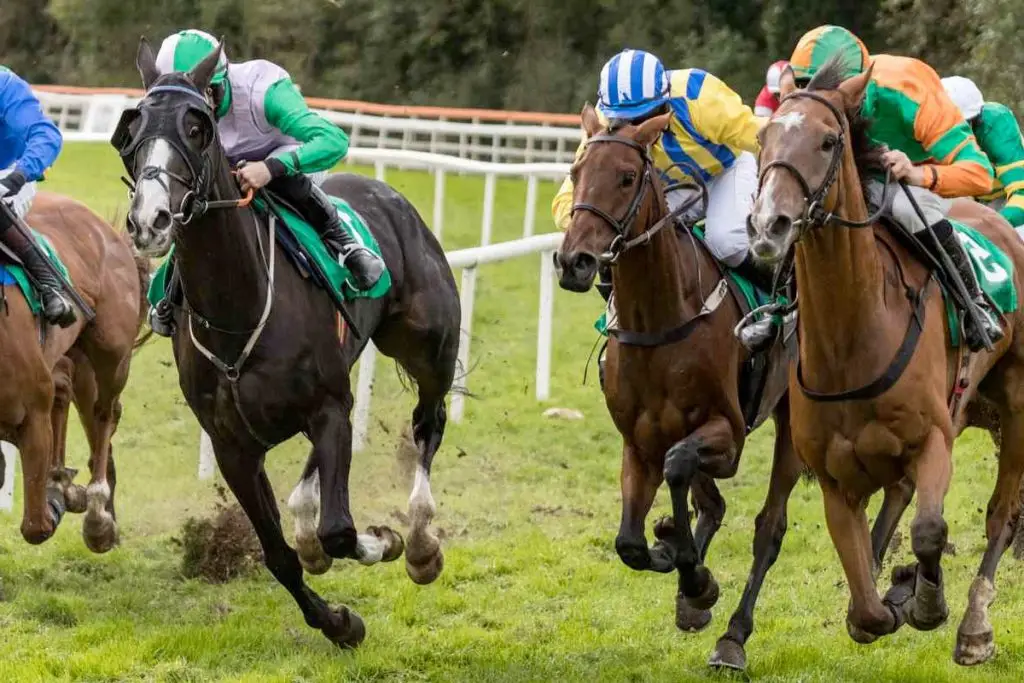
The exact date of the first horse race is lost to history. What we do know is that horses have been raced since ancient times. Chariot and mounted races were part of the Olympic Games in Greece (700–40 BCE), and the Romans turned horse racing into one of their most popular forms of entertainment.
For many years, the art of horse riding developed in Arabia, China, Persia and other regions. Arabian, Berber and Turkish horses came from Arabia and neighbouring regions, which had a significant influence on European horse breeding.
Racing in England
Horse racing in medieval England began as a way to test horses for sale. By the reign of Richard the Lionheart (1189–99), the first recorded racing prize purse of £40 was introduced. Subsequently, the races became more structured and the rules more precise.
Henry VIII brought many Spanish and Italian horses to improve the pedigree of his racehorses.
James I and Charles I sponsored major racing events in the 17th century.
Charles II (known as “the father of the English turf”) established Newmarket as the home of English racing and introduced the first formal racing rules.
The first official horse race in France that we know of took place in 1651, while in North America, the British organised races in New York (then called New Amsterdam) in 1664, opening the first official racecourse on Long Island.
Evolution of Horseracing
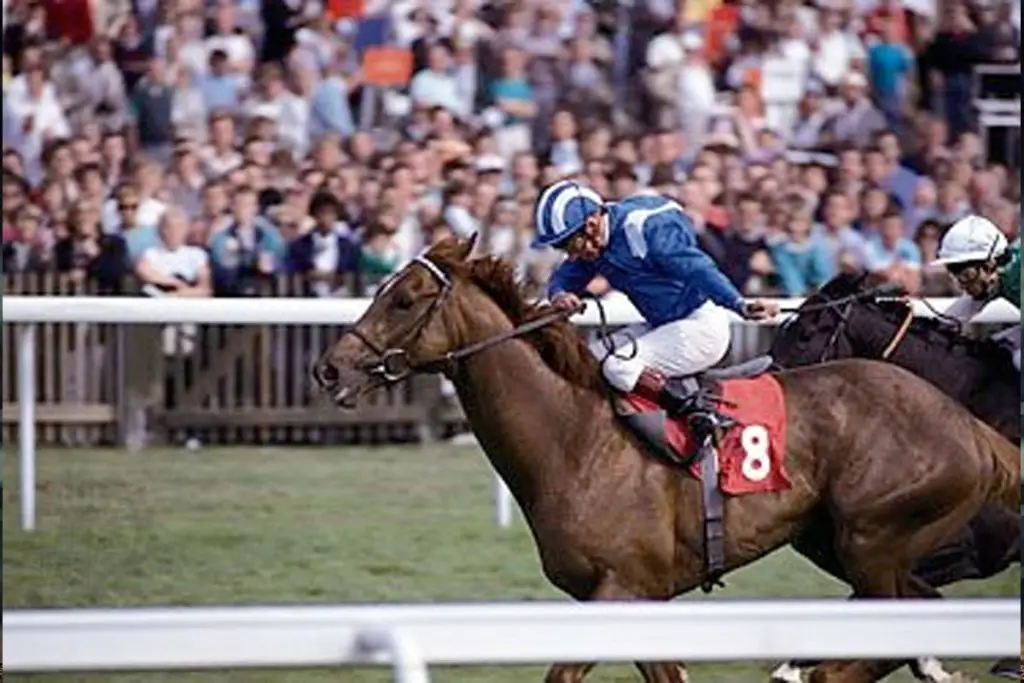
Initially, races were match races, with two horses competing against each other. Later, open races appeared, involving large groups of horses and rules based on the age, gender and eligibility of the horses — the kind we all know and love. By the mid-18th century, horse racing had become a well-regulated sport with stud books, trained jockeys and a race schedule.
The pedigree of thoroughbred horses can be traced back to Darley Arabian, Godolphin Barb and Bayelie Turk. All of them were brought to England between 1690 and 1730. Modern Thoroughbreds across the world descend from these horses.
Modern Classic races
The modern era of horse racing began with the creation of English classic races:
Saint Leger (1776)
The Oaks (1779)
The Derby (1780)
Two Thousand Guineas (1809)
One Thousand Guineas (1814)
These races set the global standard. Later, various countries developed their own prestigious competitions. These include the American Triple Crown, the Kentucky Derby, the Preakness Stakes and the Belmont Stakes. International races are also developing, such as the Prix de l’Arc de Triomphe in France and the Melbourne Cup in Australia.
Jockey Clubs and Regulation
Horse racing soon required regulation. The British Jockey Club, founded in the 18th century, created official racing rules and managed the General Stud Book. Similar organizations appeared worldwide: France Galop, the American Jockey Club, and governing bodies in Australia, South Africa, and beyond. Today, most are connected through the International Federation of Horseracing Authorities.
Betting and Wagering
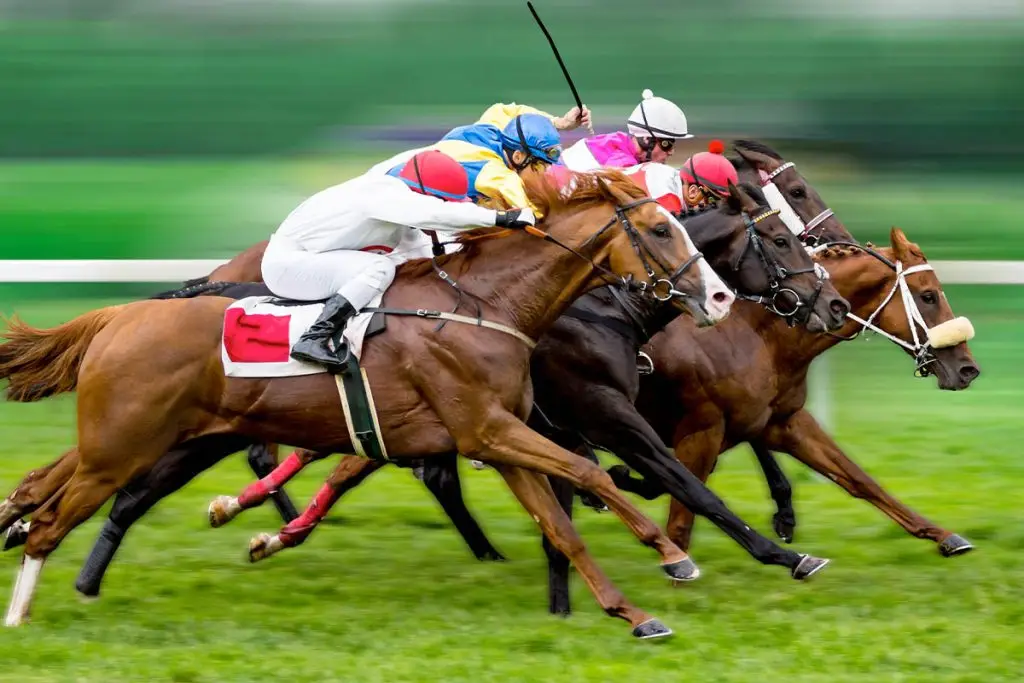
From its earliest days, racing has been linked with gambling. What started out as private betting turned into bookmaking. Eventually, a totalizator system emerged, which pools bets and distributes winnings among those who placed bets. Modern betting includes win, place, show, trifecta, exacta, quinella, and daily double options. The rise of online betting platforms has made horse racing accessible to a global audience.
Handicapping, Formats
Unlike classic races with weights based on age, in handicap races, horses are assigned different weights depending on their parameters. This levels the playing field and makes the results unpredictable, adding excitement for fans.
Training and breeding horses
To be considered thoroughbreds, foals must be born as a result of natural insemination, as artificial insemination is prohibited. Breeders follow the principle of ‘the best with the best,’ combining speed and endurance to produce champions.
Training is equally important: successful trainers balance nutrition, exercise, and timing so a horse peaks during its most important race.
Racetracks and Global Racing Culture
Racing venues range from legendary tracks like Ascot in England and Longchamp in France to dirt tracks across the United States and synthetic surfaces in Asia. Races attract millions of spectators annually, both in-person and online, making horse racing a global sporting and betting phenomenon.
Challenges and Decline in Popularity
Despite its prestige, horse racing has faced challenges:
Declining attendance and TV viewership in many countries.
Criticism from animal welfare groups over injuries, whipping, and drug use.
Competition from other sports and forms of entertainment.
Tragic events, such as the career-ending injury of Barbaro in the 2006 Preakness Stakes, have amplified calls for reform. Still, iconic races like the Kentucky Derby, Royal Ascot, and the Dubai World Cup continue to captivate audiences worldwide.