Learning mini baccarat rules doesn’t have to be complicated. Mini-baccarat transforms the traditional casino classic into an accessible, fast-paced game that attracts both newcomers and seasoned players. Unlike its high-stakes counterpart, mini-baccarat features lower betting limits, and simplified procedures. The game revolves around a simple premise: predict whether the Player hand, Banker hand, or a Tie will occur. Cards are dealt according to fixed mini baccarat rules, eliminating complex decision-making and reducing the game to pure chance and statistical probability. With only three possible outcomes and house edges ranging from 1.06% to 14.4% depending on your bet, mini-baccarat offers some of thebest odds in the casino.
Why read football statistics at all?
Statistics are not meant to replace watching the match — they exist to support what you see. Numbers can:
confirm your impressions (“Yes, the team really was dangerous today”)
reveal hidden patterns you didn’t notice live
help compare players more objectively
give context for tactical decisions
make predictions based on performance rather than emotion
In short, analytics builds trust: between your eyes, your conclusions, and the actual reality on the pitch.
xG — Expected Goals
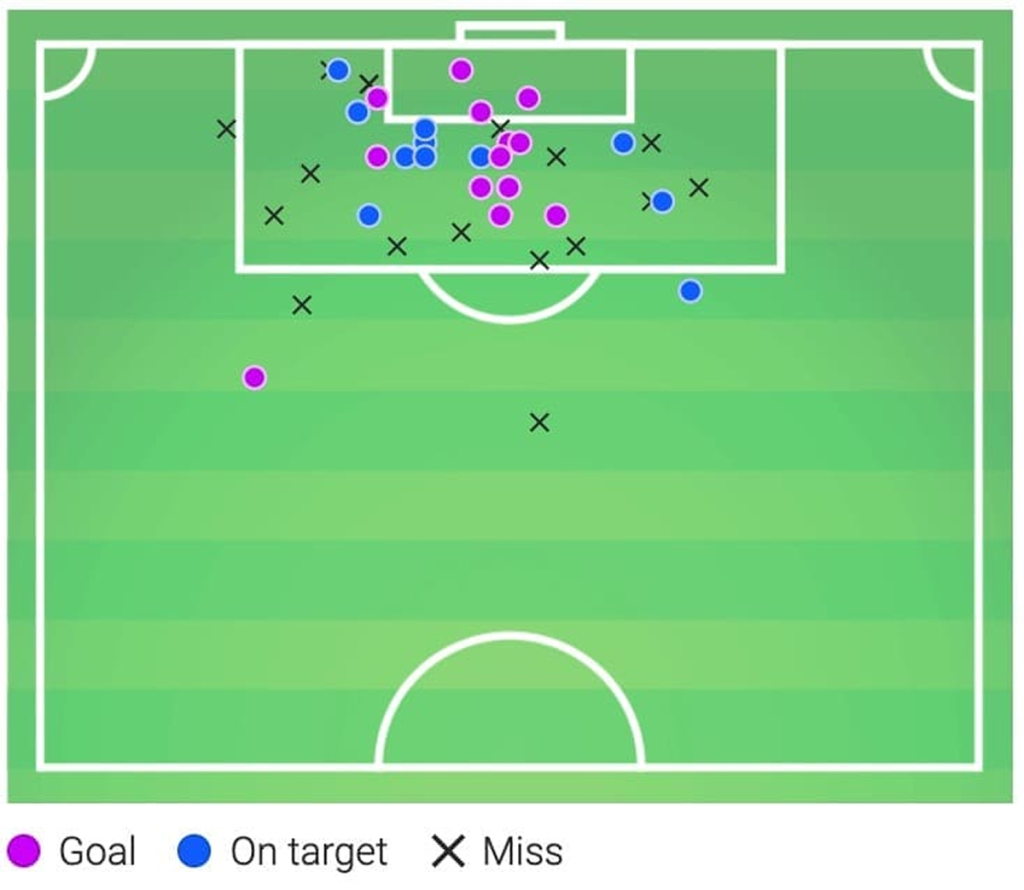
What it means: xG measures how good a shot was. A strike from 5 meters in front of the goal is more likely to score than a volley from 30 meters. If a shot has 0.45 xG, it means it is usually scored 45% of the time.
What xG tells you:
the quality of the chances a team creates
whether a team played well but was unlucky
whether a striker consistently gets into good positions
if a team is improving offensively over time
What xG doesn’t tell you:
who controlled possession
how dangerous a buildup was if it ended without a shot
whether the shooter has exceptional finishing ability
Two players with a 0.05 xG chance may not be equal; one could be a top finisher, another — not.
xA — Expected Assists
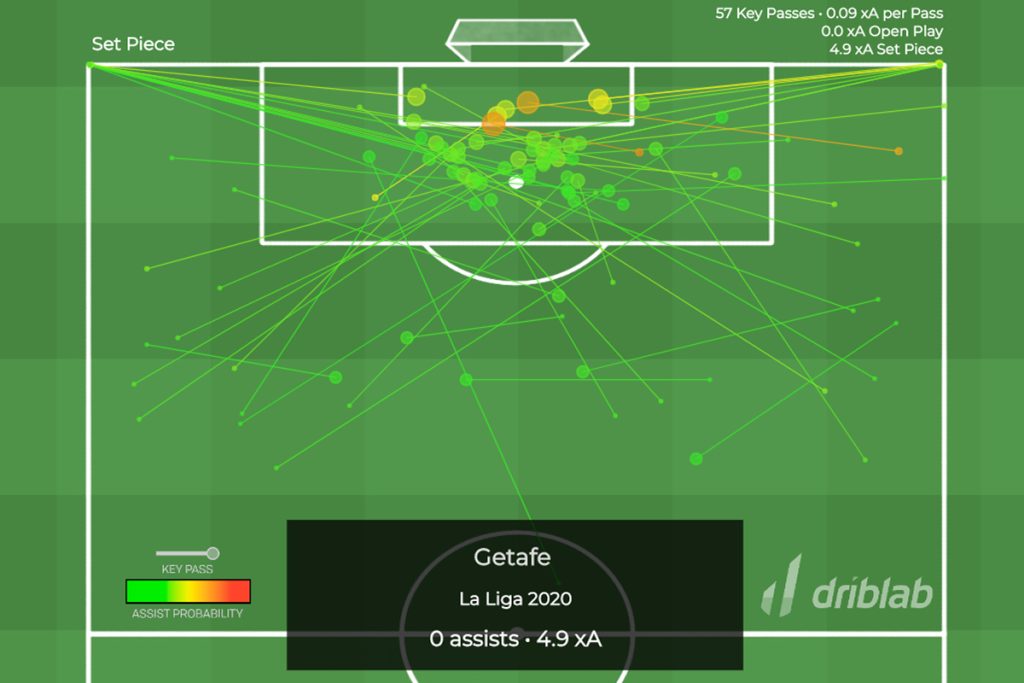
CIf xG measures shots, xA measures the quality of the passes that created those shots.
A pass that leads to a 0.30 xG chance will give the passer 0.30 xA, even if the teammate misses.
What xA shows:
how creative a player really is
which teammates regularly create high-quality chances
who drives the attack even without visible assists
xA is especially useful when a creative player’s teammates keep missing chances — he still gets statistical credit for creating quality opportunities.
PPDA — Passes Allowed Per Defensive Action
This is one of the most important pressing metrics.
PPDA = how many passes the opponent can make before your team attempts a defensive action (interception, tackle, challenge, press).
Classic possession stats (60% vs. 40%) tell almost nothing. A team can keep the ball all match without creating danger.
Possession value metrics evaluate how valuable every action is — pass, dribble, cross — based on whether it increases the chance of scoring.
In other words, it answers:
Is this possession actually dangerous or just empty ball circulation?
It helps identify:
players who truly progress the play
midfielders who add value without flashy stats
defenders who break lines with smart passing
teams whose possession is meaningful rather than sterile
How these metrics help you understand a match
1. They show what the scoreline hides
A team may win 1–0 but lose on xG. Or it may dominate yet fail to score — and xG confirms it wasn’t “bad finishing,” just low-quality chances.
2. They help you measure consistency
Was a team’s performance a fluke or part of a trend? Tracking xG and xA over several matches answers that.
3. They reveal tactical intentions
PPDA can show whether the coach changed pressing strategy mid-match. Possession value highlights whether the team tried direct attacks or long buildup phases.
4. They help evaluate players beyond goals
A winger with high xA and high possession value might be more influential than a player with one lucky assist.
Putting it all together
Data doesn’t tell the whole story — but it gives you a clearer, richer picture. When used correctly, modern statistics help you:
understand why a team dominated
analyze whether a striker is underperforming or just unlucky
see patterns in pressing, buildup, and chance creation
evaluate players based on impact, not only highlights
The key is not to treat numbers as absolute truth but as a tool: one that guides your eye, confirms your observations, and helps you explore the beautiful game more deeply.